
AC vs DC Motors in Modern Golf Buggies: Torque Curves, Hill Climbing & Maintenance Compared
Electric motorized golf cart: Technical breakdown of brushless Alternating Current (AC) versus traditional Direct Current (DC) golf buggy motors. Why modern AC drivetrains dominate Australian hills and acreage.
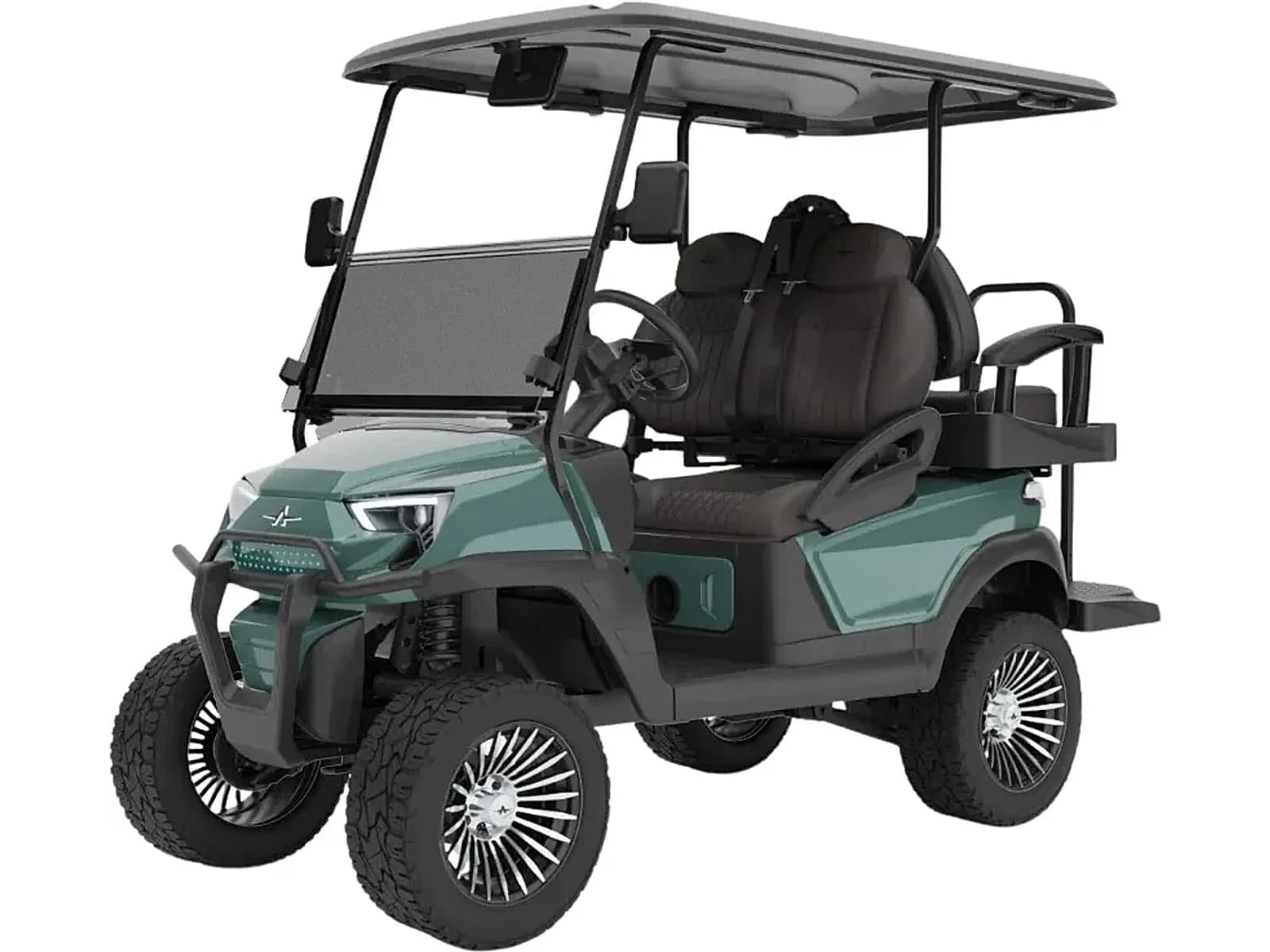
The Engineering Evolution of Electric Golf Buggy Motors
For decades, electric golf buggies relied on traditional Direct Current (DC) series-wound or shunt-wound electric motors. While simple, DC motors suffered from mechanical friction, carbon brush wear, thermal heat buildup, and sharp torque drop-offs under load. In recent years, automotive-grade 3-phase Alternating Current (AC) brushless induction motors have become the industry gold standard across premium Australian buggies.
Torque Delivery: Low-End Hill Climbing Power
The most noticeable difference between AC and DC drivetrains is low-RPM torque delivery. A traditional DC motor requires rotational speed to build torque; when stopped halfway up a steep 20-degree golf fairway or muddy acreage incline, applying the accelerator causes severe motor strain, electrical arcing, and sluggish acceleration. In contrast, an AC induction motor produces 100% of its maximum torque at 0 RPM, pulling away instantly without bogging down.
- •Effortless starts on steep slopes with four adult passengers on board.
- •Zero motor hesitation when hauling heavy garden trailers or aerators.
- •Smooth, linear acceleration without the jerky clutch feeling of older carts.
Maintenance Longevity: Eliminating Carbon Brushes & Commutators
Traditional DC motors contain four spring-loaded carbon brushes that rub continuously against a spinning copper commutator. Over 3 to 5 years, these brushes wear down, filling the motor casing with conductive carbon dust that can cause short circuits. AC motors operate on electromagnetic induction: the rotor spins freely inside a magnetic field with zero physical electrical contact brushes, eliminating routine motor servicing entirely.
Regenerative Braking and Automatic Hill-Hold Parking
AC motor systems feature advanced digital inverter controllers. Whenever you release the throttle pedal, the controller reverses the magnetic field phase, transforming the motor into an electric generator. This creates smooth, controlled deceleration that recharges the lithium battery pack while descending steep hills. Furthermore, modern AC carts incorporate electronic automatic parking brakes that lock the motor automatically when the vehicle stops—no manual foot-brake pedal clicking required.
Energy Efficiency: Extending Battery Range by 15% to 18%
Because AC motors do not suffer from brush friction losses and dissipate significantly less wasted thermal heat, they operate at 88% to 92% electrical efficiency (compared to 72% to 78% for DC series motors). Paired with modern LiFePO4 lithium batteries, an AC-powered buggy delivers noticeably more driving range per kilowatt-hour of wall charge.
AC Power Across the Golf Buggies Express Fleet
At Golf Buggies Express, our flagship models—including the Atlas 4-Passenger, Evolution D5 Ranger, and Tara Roadster—are equipped with high-output 4kW to 5kW 3-phase AC induction motors and 350A–400A programmable controllers, engineered specifically to master Australian terrain.
Identifying Which Motor Your Buggy Already Has
Owners of older buggies often do not know which system they have, and it matters before planning any upgrade. The most reliable indicator is the controller: AC systems use a controller with three thick motor cables running to the motor, while DC systems typically use two. The motor casing itself frequently carries a specification plate naming the type and voltage. Behaviour offers a further clue, since DC series motors will roll freely and can be back-driven when the buggy is pushed, whereas AC systems commonly provide resistance and hill-hold behaviour when stationary. Checking the model year against manufacturer documentation is the definitive answer. Getting this right matters because controller upgrades, regenerative braking and lithium conversions all depend on which architecture you are starting from.
What an Upgrade Costs and What It Actually Delivers
Converting an older DC buggy to AC is technically possible but rarely economic, because it replaces the motor, controller and much of the wiring at once, which approaches the value of the vehicle. The more sensible upgrade path for a DC buggy is a higher-amperage programmable controller, which raises the current ceiling and allows the acceleration and speed curves to be tuned for the terrain, delivering a meaningful improvement in hill performance for a fraction of a full conversion. If your priority is regenerative braking and hill-hold specifically, those are AC characteristics and no DC upgrade will provide them. In that case buying a buggy that is already AC is the honest answer rather than spending progressively on the one you have.
Frequently Asked Questions
Atlas 4-Seater Heavy Duty Lifted (350A)
350A Controller, 4-wheel Hydraulic Brakes, Rugged All-Terrain Tires, Brush Guard. Available for immediate dispatch from our Yatala QLD depot with nationwide enclosed delivery.
More Australian Golf Buggy Guides
How to Choose the Right Electric Golf Buggy in Australia: Walk-Behind vs Ride-On Comparison
A definitive guide comparing walk-behind electric caddies, traditional 2-seaters, 4-passenger estate cruisers, and off-road 4x4 carts for Australian lifestyle and terrain.
How Far Can an Electric Golf Buggy Go on One Charge? Real-World Australian Range Testing
Data-backed range testing across 18-hole courses, gated communities, and hilly rural acreage. How lithium capacity (Ah), payload, terrain, and speed affect total kilometers.
Solar Panels on Golf Buggies: Does Roof Solar Recharging Actually Work in Australia?
An engineering analysis of flexible monocrystalline solar roofs on golf buggies and farm carts. Daily kilowatt-hour harvest, MPPT charge controllers, and battery cycle extension.