
Petrol Vs Electric Golf Buggy: Real Running Costs Compared In Australia
Petrol vs electric golf buggy australia: A straight comparison of what actually costs money to run a petrol versus an electric golf buggy in Australia over time: fuel and charging, servicing, and the trade-offs each still has despite the cost gap.
The Two Real Cost Categories: Energy And Servicing
Running cost comparisons between petrol and electric buggies come down to two categories that behave very differently: the ongoing cost of energy (fuel versus electricity), and the cost of servicing over the vehicle’s life. Purchase price is a separate conversation and the two categories don’t always favour the same option — which is why a genuine comparison needs to separate them rather than blending everything into one number.
Energy Cost: Electricity Vs Fuel
Charging an electric buggy overnight on standard household electricity is generally the cheaper of the two on a per-kilometre basis, and that cost is relatively stable and predictable compared to fuel, which moves with the bowser price on any given week. Petrol buggies have essentially no charging infrastructure requirement in return — refuelling takes minutes rather than hours, which genuinely matters on a property without a convenient power point near where the buggy operates.
Servicing: Fewer Moving Parts Vs Simpler Repairs
Electric buggies typically have longer service intervals because there is no oil to change, no filter, no spark plug and no fuel system to maintain — the drivetrain itself is mechanically simpler. Petrol models need the servicing routine familiar from any small combustion engine, but that servicing is well understood and widely available, and a petrol buggy doesn’t carry the eventual cost of a full battery pack replacement the way an electric one does.
- •Electric: no oil, filter or spark plug servicing; eventual planned cost is battery replacement
- •Petrol: familiar combustion servicing routine; no large single replacement cost equivalent to a battery pack
- •Both need brake, tyre and general mechanical servicing regardless of drivetrain
Where Petrol Still Genuinely Wins
Range and refuel speed remain real petrol advantages: a petrol buggy covers long distances without planning around a charge cycle, and refuelling takes minutes rather than hours. Yamaha's QuietTech engineering addresses the historical objection to petrol — engine noise — bringing it close enough to electric in sound that conversation at speed stays comfortable, which reopens petrol as an option for buyers who had ruled it out purely on noise rather than running cost.
Where Electric Still Genuinely Wins
For daily short-to-medium trips with overnight access to power, electric is difficult to beat on ongoing running cost and convenience — no fuel handling or storage, no exhaust, and a charge that happens automatically overnight rather than requiring an active refuelling trip. It also removes fuel-related compliance and storage considerations that some properties and commercial sites would rather avoid entirely.
How To Actually Decide
The honest deciding factor is usually your property's power access and how far the buggy needs to travel between charges or refuels, more than a pure running-cost calculation. A property without reliable power near where the buggy is used may find petrol the more practical choice despite the higher fuel cost, while a property with easy overnight charging access will typically find electric the lower-cost option over the vehicle's life.
Compare five years, not one price
Running cost is only one line. Build a five-year table that includes purchase price, energy, servicing, registration and insurance, and resale, using your own hours of use. Our buggy vs golf cart vs side-by-side guide shows the method.
Frequently Asked Questions
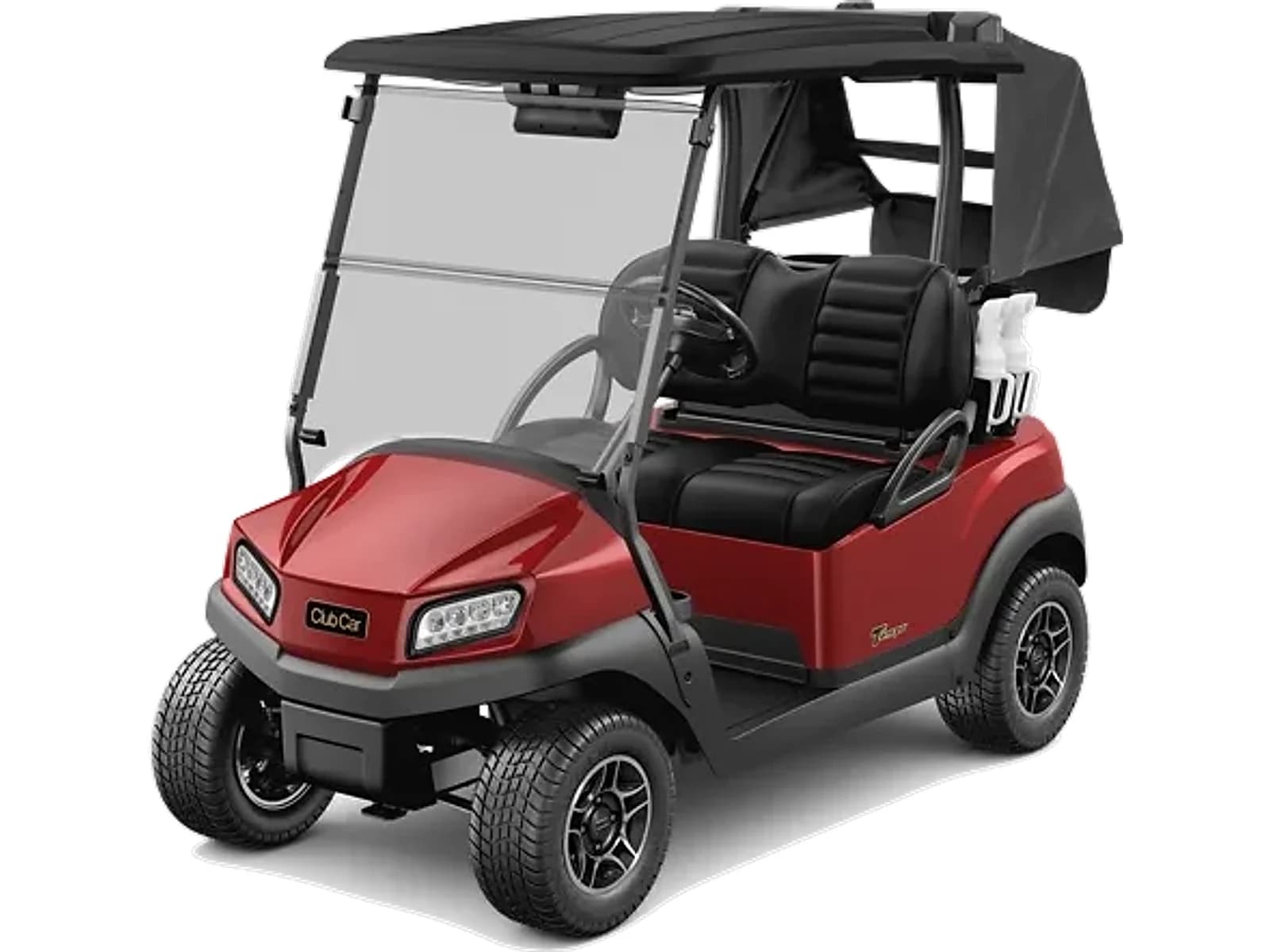
Club Car Tempo EFI Petrol
14HP Single Cylinder Engine, Overhead Cam, Tank Capacity 25.4L. Available for immediate dispatch from our Yatala QLD depot with nationwide enclosed delivery.
More Australian Golf Buggy Guides
4-Seater Vs 6-Seater Golf Buggies: Which Fits Your Family Or Fleet?
How to actually decide between a 4-seater and a 6-seater golf buggy: real passenger use versus occasional capacity, footprint and storage, and where the extra cost of a 6-seater genuinely pays off.
Best Electric Golf Trolley in Australia: How to Judge the Brands Properly
What actually separates electric golf trolley brands in Australia, the four features worth paying for, and the support question most buyers forget.
Trading In Your Old Golf Cart In Australia: What It’s Worth & How It Works
How trading in an old golf buggy at The Buggies Express actually works, what genuinely affects the figure you’re offered, and why it’s usually simpler than a private sale once you account for the effort involved.